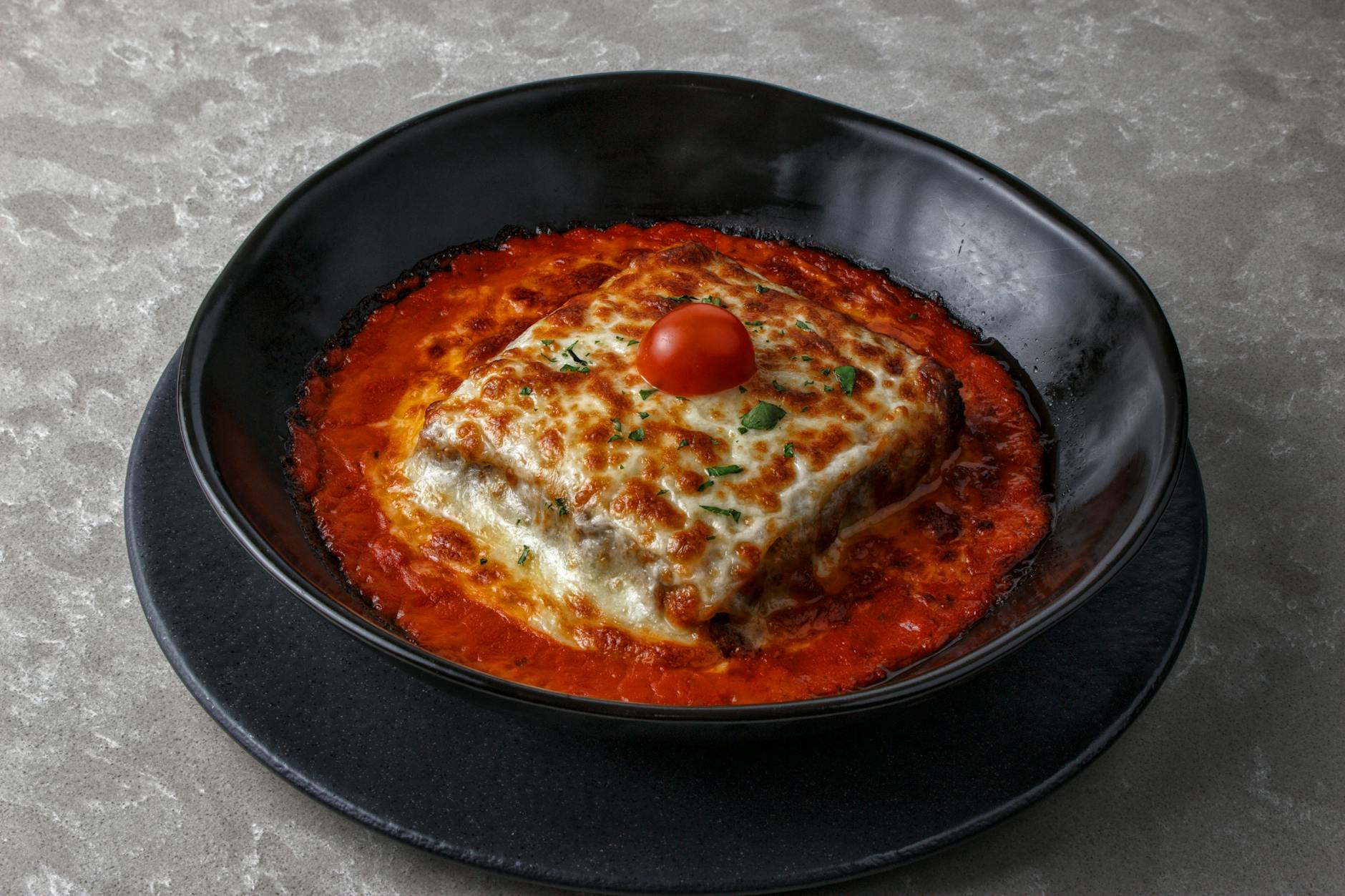
Classic Beef Lasagna Recipe: The Ultimate Guide to Perfect Layers and Flavor
Jump to RecipeThe Story
Lasagna, or ‘lasagne’ as it’s known in Italy, boasts a history as rich and layered as the dish itself. Its origins can be traced back to ancient Greece, with a dish called ‘laganon’ – flat sheets of dough cut into strips. The Romans later adopted and adapted this, creating a dish with pasta sheets and meat, though not quite the tomato-based, cheese-laden creation we know today. The modern form of lasagna truly began to take shape in Italy, particularly in the Emilia-Romagna region, where it evolved into ‘Lasagne al Forno’ (oven-baked lasagna) featuring béchamel sauce, ragù, and Parmigiano-Reggiano. Italian immigrants brought their beloved recipes to America, where variations incorporating ricotta cheese and copious amounts of mozzarella became widely popular, leading to the ‘classic beef lasagna’ many of us recognize and adore today.
Why This Works
The magic of classic beef lasagna lies in the quality and harmony of its core ingredients:
* The Beef: A good quality ground beef (80/20 lean-to-fat ratio is ideal) forms the backbone of the rich ragu. The fat renders down, infusing the sauce with incredible flavor and moisture. Don’t be afraid to brown it well for deep, savory notes.
* The Tomatoes: Crushed tomatoes are fundamental for the ragu’s body and tang. Complement them with tomato paste for concentrated sweetness and umami, and diced tomatoes for texture. Good quality San Marzano tomatoes, if available, make a noticeable difference.
* Aromatics: Onions, garlic, and sometimes carrots and celery (soffritto) create the aromatic foundation for the ragu, building complexity and depth of flavor.
* Herbs & Spices: Fresh basil and oregano are classic choices for Italian sauces. Dried herbs can also be used, but fresh adds a vibrant lift. A bay leaf in the ragu simmers away, adding subtle aromatic notes.
* Lasagna Noodles: Oven-ready (no-boil) noodles are a time-saver, but traditional dry pasta sheets (boiled to al dente) often offer a superior texture and bite. Choose wide, sturdy sheets that can stand up to the hearty layers.
* The Cheese Trio:
* Ricotta: Provides the essential creamy, tangy contrast to the savory meat sauce. Whole milk ricotta offers the best texture and flavor. Mixing it with an egg and Parmesan helps it set beautifully.
* Mozzarella: The star of the gooey, melty top. Low-moisture, part-skim mozzarella is often preferred as it melts well without releasing too much water. Fresh mozzarella can also be used, but drain it well.
* Parmesan (Parmigiano-Reggiano): Sprinkled throughout and on top, it adds a salty, nutty depth and forms a beautiful golden crust when baked. Always grate fresh for the best flavor.
* Wine (Optional but Recommended): A splash of dry red wine in the ragu deepens its flavor, adding a layer of sophisticated richness. It’s truly worth it!
Instructions
Step 1: Crafting the Rich Beef Ragu
Begin by browning the ground beef in a large pot or Dutch oven until no pink remains. Drain any excess fat. Add diced onions, garlic, and optional carrots/celery, cooking until softened. Stir in tomato paste, then deglaze with red wine (if using). Add crushed tomatoes, diced tomatoes, herbs, and seasonings. Simmer gently for at least 30-60 minutes, allowing the flavors to meld and deepen.
Step 2: Preparing the Creamy Ricotta Layer
While the ragu simmers, prepare the creamy ricotta cheese mixture. In a medium bowl, combine whole milk ricotta cheese with one large egg, grated Parmesan cheese, fresh parsley, salt, and black pepper. Mix everything thoroughly until well combined. The egg helps bind the ricotta layer, preventing it from crumbling when sliced.
Step 3: Layering the Lasagna to Perfection
Assemble your lasagna in a 9×13 inch baking dish. Start with a thin layer of meat sauce on the bottom. Follow with a layer of cooked lasagna noodles (or oven-ready). Spread half of the ricotta mixture over the noodles, then sprinkle with a generous amount of shredded mozzarella. Add another layer of meat sauce, then noodles, the remaining ricotta, more mozzarella, and finish with a final layer of noodles, meat sauce, and a generous topping of mozzarella and Parmesan. Ensure edges are covered.
Step 4: Baking to Golden, Bubbly Perfection
Cover the assembled lasagna loosely with aluminum foil (you may need to spray the underside of the foil to prevent sticking to the cheese). Bake in a preheated oven at 375°F (190°C) for about 25-30 minutes. Remove the foil and continue baking for another 20-25 minutes, or until the top is golden brown and bubbly. Let the lasagna rest for at least 15-20 minutes before slicing and serving. This allows the layers to set and prevents it from falling apart.
- Don’t Skimp on Simmer Time: A longer simmer for your beef ragu (1-2 hours) allows the flavors to deepen and meld beautifully. It’s worth the wait!
- Drain the Beef: After browning the ground beef, drain off any excess fat. This prevents your lasagna from becoming greasy and watery.
- Al Dente Noodles (if boiling): If using traditional noodles, boil them until just al dente (slightly undercooked). They will finish cooking in the oven and won’t turn mushy.
- Let it Rest: This is crucial! After baking, let your lasagna rest for at least 15-20 minutes before cutting. This allows the layers to set, making for cleaner slices and preventing a messy presentation.
- Quality Cheese Matters: Use good quality whole milk ricotta and freshly grated Parmesan for the best flavor and texture.
- Prevent Sticking: If covering with foil, lightly spray the underside of the foil with cooking spray to prevent the cheese from sticking.
FAQs
Yes! You can assemble the entire lasagna a day in advance. Cover it tightly with plastic wrap and refrigerate. When ready to bake, let it sit at room temperature for 30 minutes while the oven preheats, then bake as directed, adding an extra 10-15 minutes to the covered baking time.
Lasagna freezes beautifully. Once cooled, you can wrap individual slices or the entire dish tightly in plastic wrap, then foil. It can be frozen for up to 3 months. Thaw overnight in the refrigerator before reheating in the oven or microwave.
Ricotta cheese is more common in Italian-American lasagna recipes, offering a creamy, slightly tangy layer. Béchamel sauce (a white sauce made from butter, flour, and milk) is traditional in many authentic Italian lasagnas (like Lasagne al Forno from Emilia-Romagna), providing a silky, delicate richness without the tanginess of ricotta. Both are delicious, just different styles!
Common culprits include not draining excess fat from the beef, using ‘wet’ ingredients like fresh mozzarella without draining it, using undercooked or over-sauced noodles (if not no-boil), or not letting the lasagna rest after baking. Ensure your ragu isn’t too thin, and let the lasagna rest to allow the liquids to redistribute.
Classic Beef Lasagna Recipe: The Ultimate Guide to Perfect Layers and Flavor
Ingredients
- 1 tbsp olive oil
- 1.5 lbs ground beef (80/20 lean-to-fat)
- 1 large yellow onion, diced
- 4 cloves garlic, minced
- 1 (28 oz) can crushed tomatoes
- 1 (14.5 oz) can diced tomatoes (undrained)
- 6 oz tomato paste
- 1/2 cup dry red wine (like Merlot or Cabernet Sauvignon, optional)
- 2 tsp dried oregano
- 1 tsp dried basil
- 1 bay leaf
- 1/2 tsp red pepper flakes (optional, for a kick)
- Salt and freshly ground black pepper to taste
- 1 lb lasagna noodles (oven-ready or traditional, cooked al dente)
- 15 oz whole milk ricotta cheese
- 1 large egg
- 1/2 cup grated Parmesan cheese, plus more for topping
- 1/4 cup fresh parsley, chopped
- 1 lb (about 4 cups) shredded low-moisture part-skim mozzarella cheese